
Stranger Things wrapped on 31 January 2025, a day that shows how endings and beginnings are only what we choose to see in a moment — New Year’s Eve or Old Year’s Night, depending on the angle.
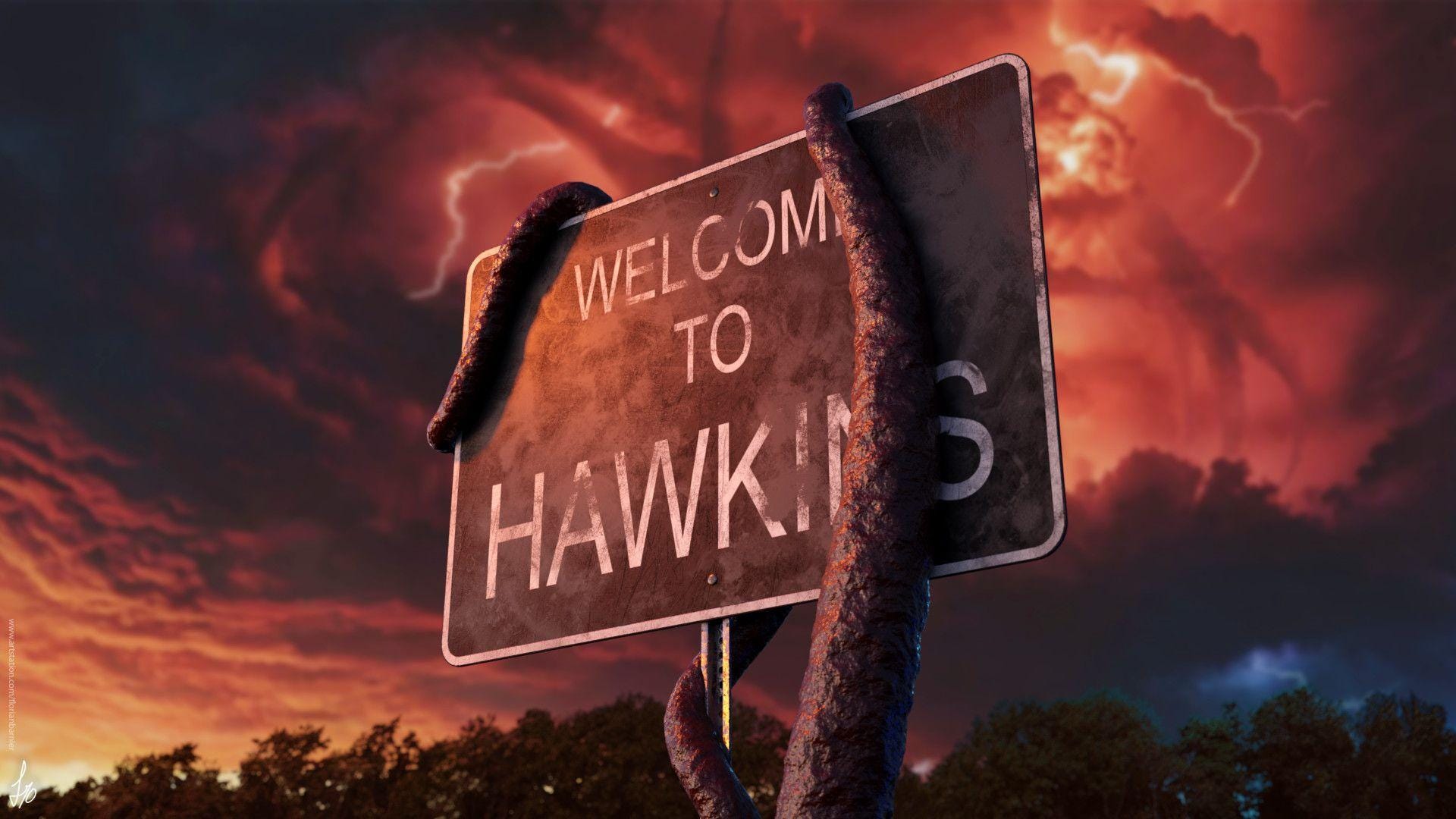
For a show that’s always celebrated messiness and risk – never respecting endings, perfection, or even the illusion of order – the Duffer Brothers sure spent a lot of energy delivering a string of perfectly packaged endings. And the Stranger Things epilogue really did play like a parade of fairy-tale endings. They were nice and polished, yes, but unsatisfying. Hard to believe, really. Especially for a band of bonded misfits who, year after year, stuck together, shattered norms, defied expectations, bridged all kinds of difference, and fought fiercely to save a world that never really cared, or catered, for them. And maybe that was the truth all along: they weren’t really fighting for the world. They were fighting for each other, for the tight, fierce family they’d made. Which is why the ending hit so hard. Their scruffy, wild unity slowly folded into something safer, more conventional, leaving our gang of fearless rebels – our strange, self‑made tribe – scattered, divided once more into age‑sorted groups.
This was to be their end?
To settle into the ordinary world as though it could ever contain them? A good life, perhaps, but only by standards that were never theirs.
The nature of the futures imagined for our intrepid protagonists is a conversation for another day – though the ones they’re handed feel disappointingly tame, softened into safe, sugary versions of adulthood. What struck me, watching the finale, was the staging. The clean separation. The lean, hollow answers. The tidy boxes. After the spirited graduation scene (Hellfire Lives!), the early adults on a rooftop, clinking beer bottles and promising forever friendship – who are they kidding? Over a long‑anticipated dinner date, the oldies – looking ahead to seaside matrimony and a final flicker of career advancement – welcome the slow, contented rhythm they once thought they’d never earn. And the in-betweeners, each granted a vignette of worldly accomplishment and personal self-realisation. Perfectly respectable futures, all. There were nods toward continued connection, of course, but the underlying message was clear: the adventure is over, and normal life resumes. The show’s boldest idea – intergenerational connection as a form of radical worldmaking – ditched in favour of neat, happy endings. Sheesh.
Over the seasons, we watched the hang-tough gang build relationships strong enough to stake their lives on. The show insisted that connection across difference – especially the power of intergenerational solidarity – could save the world; or, on a smaller scale, simply make life feel fuller and lighter. (It’s a conviction I share, and one I’ve explored in my own writing.*) These weren’t easy bonds, but they were worth the work. Think of all those moments when the characters paused, listened, and found a way forward together. They learned that progress, survival, even hope, depended on collaboration.
Adults listening to kids, kids listening to teenagers, and teenagers listening to both kids and adults – not just listening, but truly hearing, trusting, and understanding one another as people with voices that matter. A way of relating where every age speaks and is spoken to with respect, where insight isn’t ranked by years lived, and where each person is recognised as someone with something real to offer.
It seems to me that while the series shouts that together we can save the world, the epilogue murmurs something far more conservative: that safety lies in surrendering the extraordinary and retreating neatly into our assigned boxes. Grow up. Act your age. Don’t linger too long in wonder or dreaming. Be happy. Set sensible goals. Achieve. Produce. Consume. Behave. And, for pity’s sake, be normal.
No wonder the finale left me so flat.
Not the ending itself: defeating Vecna, saving the kids, the lorry ride back, the smiles – that I loved. I mean those last thirty minutes: the great righting of the Stranger Things world. A show that, as I said, doesn’t believe in crisp endings or apple-pie order. Remember how it treated its characters: never as symbols, never as perfected versions of themselves, but as people still learning how to reach one another. So why give them – us – perfect endings now?
I didn’t need to see their tidy futures, all those settling-down plans lined up in a row. Everything arranged just so, nothing out of place, no gaps for imagining things otherwise. And I can’t shake the feeling that those “new beginnings” were really just dead ends.
(I know I can imagine the ending differently. For me, the last scene is the lorry ride, only perhaps they don’t arrive, or don’t arrive back in Hawkins but somewhere else, with three waterfalls and futures still unwritten: a brave new world.)
Hawkins’ heroes might have saved the world, but they didn’t change it. They might have saved each other, but something radical was lost in the process. This isn’t about wanting things frozen in place, or insisting everyone stay together in Hawkins forever. It’s about creators holding true to the characters and the world they’ve built – honouring the internal logic, the emotional truth, the strange and radical possibilities that made the story matter in the first place. It’s about refusing to collapse back into the familiar when the narrative was already gesturing toward something more daring. At its core, it’s about showing that stories can imagine different ways of making things, of relating to each other, of being in the world. That’s what feels missing: not nostalgia, but the courage to follow through on the radical potential the story itself once promised.
Eleven – and all the strange events that followed – opened a doorway to a different way of being, both with each other and with the world. She embodies a refusal of the ordinary, the binary, the expected. Her arrival upended everything. Yet in the end, her patchwork family couldn’t hold onto her – or the possibility she represented – and she was swept away, taking that radical alternative with her. She became an exhilarating interruption in their otherwise dull, ordinary lives: a chapter. A game. And like all games, once the thrill was over, everything snapped back to normal. I guess I just wish they’d found a way to hold onto each other – to refuse conformity, to choose one another when the world pushed them not to. Stranger things have happened after all.
Thanks for reading The Break! Support my work by subscribing and sharing it with others — it makes a huge difference. And if you want to go the extra mile, you can become one of those truly special people who support my writing for the price of a couple of coffees each month.
* ‘Generational Warfare in Movement Building, or Why We Need to Quit Fighting Each Other — Now’, The Belfast Review 3.

